§48E Qualified Facilities
Every community has families who are struggling with pediatric conditions and the long-term effects of Long COVID. ScanKids™ 501(c)(4) foundation—exists to give those families access to better resources and long-term support. And now, under current federal incentives, individuals can use their federal, state and local tax offsets to help build the energy and scanning infrastructure that will support these programs for years to come. Each site is designed to operate Beyond Net Zero, producing more clean power than it consumes—and directing that surplus to benefit children and youth through ScanKids™.
Every community includes individuals still struggling with the long-term effects of COVID-19—often without clear answers, consistent care pathways, or coordinated support.
LongCOVID™ Initiative exists to advance understanding, detection, and recovery through large-scale digital scanning, AI-driven analysis, and longitudinal health modeling.
By integrating advanced diagnostic modalities with AI-enabled DigitalTwin™ systems, ScanPods™ and ScanPort™s are designed to identify patterns across time, populations, and conditions—helping transform Long COVID from an undefined condition into a measurable, actionable domain of care.
Under current federal, state and local incentives, individuals and organizations can apply a range of federal, state and local incentives toward building the equipment, ai compute, energy and scanning infrastructure required to support this research for decades.
ScanPort-OKCMetro™ is designed to include dedicated ScanPod™s designed to support emerging research, diagnostics and treatment for post-traumatic stress disorder (PTSD), traumatic brain injury (TBI), substance-use-related neurological conditions, addiction and other complex neurocognitive anomalies—particularly affecting veterans, first responders, and high-risk populations.
This focus aligns directly with the national priorities articulated under the Great American Recovery Initiative, launched by the White House to address addiction, neurological health, and long-term recovery through science-driven, evidence-based care. This new Initiative recognizes addiction and related neurological disorders as chronic, treatable diseases that require advanced diagnostics, continuous support, and coordinated care—rather than fragmented or episodic intervention.
The Neurological Recovery ScanPod™ is designed to serve as a research-forward, clinically integrated platform, enabling:
• Advanced neuroimaging and functional diagnostics,
• Early detection of neurological anomalies associated with trauma and substance use,
• Longitudinal monitoring of treatment efficacy and recovery pathways, and
• Integration of emerging therapeutic modalities informed by ongoing research.
By combining precision scanning, digital intelligence, and longitudinal analysis, this type of ScanPod™ is designed to support a new model of care—one that mirrors modern chronic-disease frameworks and bridges the gap between scientific advancement and real-world treatment access.
Within ScanPort-OKCMetro™, this focus complements pediatric disease research and Long COVID investigation, extending the platform’s mission to include neurological resilience, recovery, and reintegration—strengthening individuals, families, communities, and the national workforce.
ScanPort™ is designed as an advanced digital scanning prototype, a model for replication across the United States, enabling rapid, multi-modal, full-body digital scanning -
focusing on Pediatric Diseases, long-term effects of COVID-19, and Neurological Recovery and Resilience, advancing early detection, more precise understanding, and improved pathways to care.
A Port Authority Opportunity Zone™ (PAOZ) is a multi-county and/or multi-parish infrastructure framework designed to enable the coordinated designation, deployment, and operation of a Digital Container Port across its member jurisdictions, consistent with internationally recognized port, container, and transport frameworks reflected in United Nations charters and conventions governing ports and instruments of international traffic.
Scanport™ - OKC Metro
A ScanPort™ is a coordinated network of advanced digital imaging modalities designed to support rapid, multi-modal diagnostic imaging, AI-assisted interpretation, and personal DigitalTwin™ creation.
A ScanPort™ may consist of seven or more unique imaging modalities operating from dedicated ScanPods™. These ScanPods™ may be located together within a single Campus or distributed across multiple sites throughout a community, county, or Port Authority Opportunity Zone.
Each ScanPod™ is designed to house a specific imaging modality and supporting digital infrastructure within a modular container-based environment. As additional modalities are deployed, the ScanPort™ expands its diagnostic capabilities while maintaining a coordinated digital framework for imaging, interpretation, research, and patient interaction.
The ScanPort™ OKC Metro initiative is being developed as an initial prototype demonstrating how individual ScanPods™ may be deployed incrementally across multiple sites while ultimately forming a larger integrated diagnostic network.
A ScanPod™ may operate as a standalone facility located on a single site, supporting a specific imaging modality and serving the needs of a surrounding community, healthcare system, or specialty medical program. This deployment approach enables advanced diagnostic capabilities to be introduced rapidly in locations where a particular healthcare need has been identified, without requiring development of a larger campus environment.
In some deployments, multiple ScanPods™ may be located together within a ScanPort™ Campus, where complementary imaging modalities, AI-assisted interpretation systems, DigitalTwin™ technologies, research facilities, and supporting infrastructure are integrated into a coordinated environment. In this configuration, participants may complete multiple imaging procedures within a single visit while physicians benefit from a broader and more comprehensive digital view of their patient.
Whether deployed as an individual facility or as part of a larger Campus, each ScanPod™ is designed as a modular building block within the broader ScanPort™ framework. This flexibility allows communities to begin with a single modality, expand over time as demand grows, and ultimately create a regional network of advanced diagnostic facilities connected through common digital infrastructure, AI systems, and DigitalTwin™ technologies.
O|Zone™ and PAOZ provides a local organizational approach to coordinate innovation in private–public–community partnerships, enabling regions to move faster while remaining locally grounded.
ScanPort™ represents the first initiative to utilize the O|Zone™ framework and Port Authority Opportunity Zone™ regional architecture, integrated within a Digital Container Port, using a range of ISO Intermodal Container models.
GreenBox™ - Beyond Mil-Spec™ ISO Intermodal Modular Containers combine to form a ScanPod™.
Applying a modular approach to enable rapid manufacture and installation of specialty equipment, fit for purpose, designed to create a broad national infrastructure of advanced digital full body scanning, thermal energy sourced electricity production, and advanced AI compute nodes to evolve digital intelligent DigitalTwin™ nodes for each participant.
A ScanPod™ can be located in a Qualified Opportunity Zone, next to a hospital, within a shopping centre parking lot, on a discrete site or within a ScanPort™ multi-modality campus.
Each ScanPod™ is constructed from a series of integrated O|Zone™ equipment components designed to support advanced digital imaging, AI-assisted interpretation, DigitalTwin™ creation, thermodynamic computing, energy management, communications, and related infrastructure functions.
While the diagnostic modality may be the most visible element of a ScanPod™, it represents only one component of a broader technology ecosystem. Supporting equipment systems provide power generation, thermal management, digital infrastructure, communications, environmental controls, and other functions required to support advanced scanning technologies.
The following sections provide an overview of the principal equipment components that together form the foundation of the ScanPort™ platform.
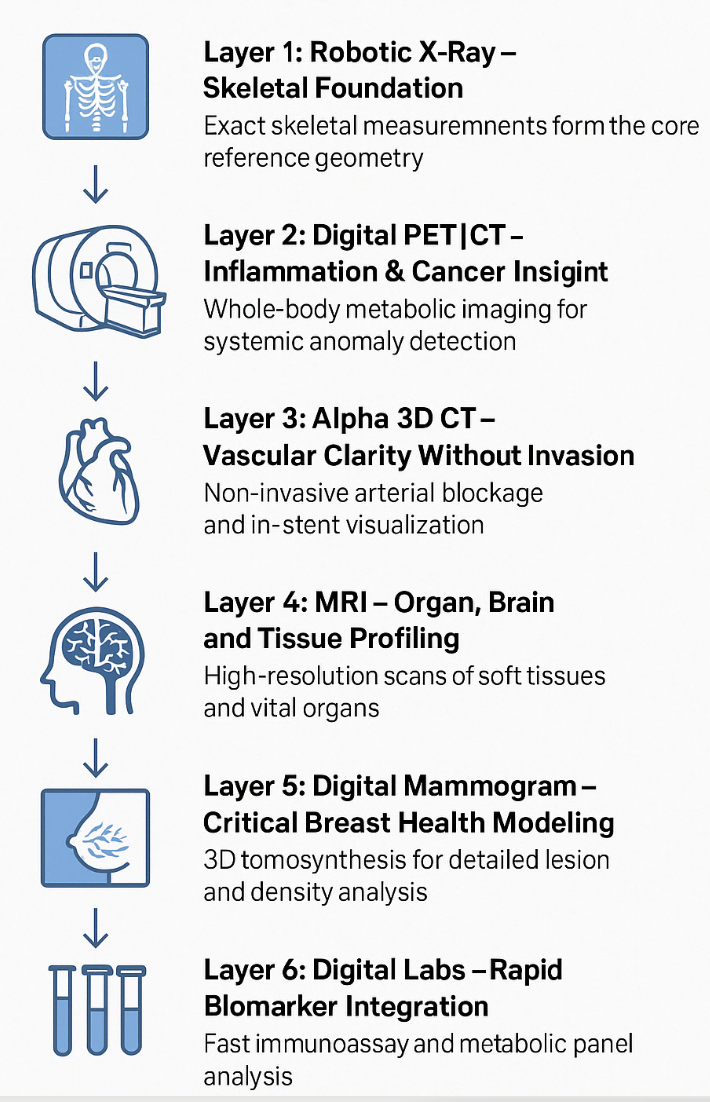
Robotic XRay | Digital MRI | PET|CT | 3D CT | Mammogram | Digital Ultrasound
Moving from legacy analog scanning to the world's most advanced digital imaging, with each unique modality capturing the entire body, then layered to create a DigitalTwin™ of the participant, in motion, not just in static images.
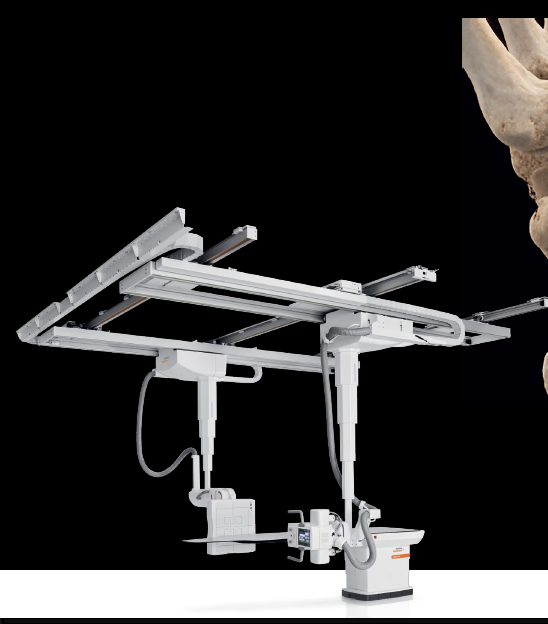
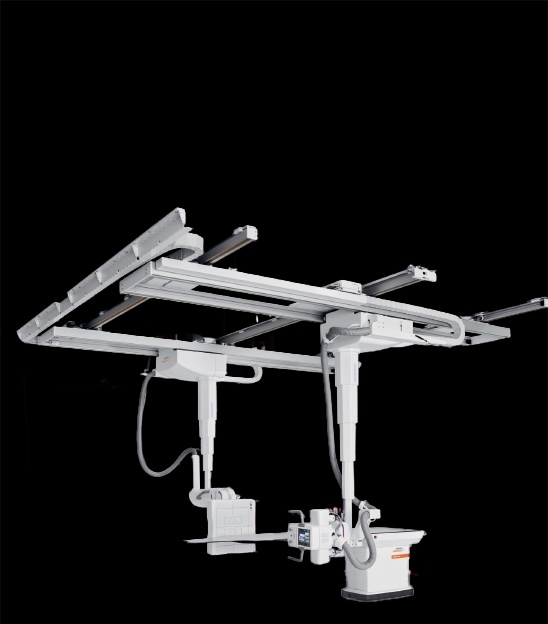
The Robotic X-Ray captures a complete structural map of the body in less than 15 minutes.
Its articulated arms move around you—no need to twist, turn, or reposition.
Each scan delivers high-resolution digital images with sub-millimeter accuracy.
Faster, gentler, and more consistent than traditional X-ray systems,
it’s designed to make advanced imaging effortless, precise, and remarkably efficient. 👉 Tap or click the image to open the full brochure.
👉 Please press this link to open specifications.
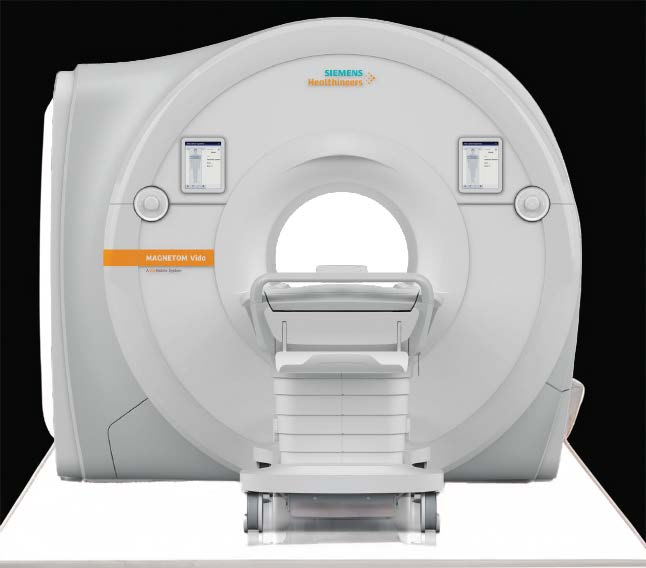
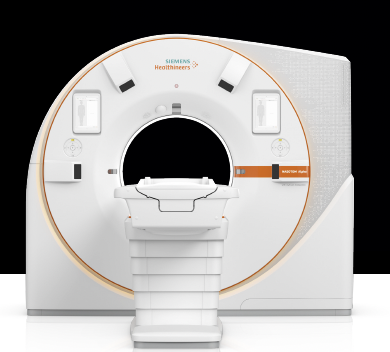
The Digital MRI reveals soft tissue, muscle, and organ detail with extraordinary clarity— capturing a full-body scan in under 15 minutes. Quiet, open, and comfortably lit, it reduces the stress of traditional MRI sessions. Its next-generation digital sensors map magnetic resonance in real time, producing sharper, faster results with fewer repeats. A seamless experience where advanced imaging meets genuine comfort. 👉 Tap or click the image to open the full brochure. 👉 Please press this link to open specifications.
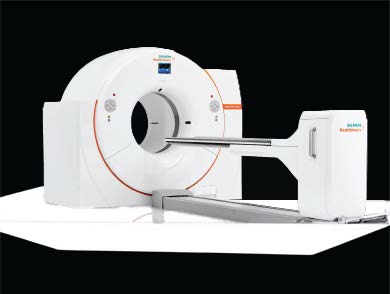
The Crystal PET|CT captures how energy moves through the body— revealing inflammation, metabolism, and early cellular change in a single 15-minute session. Its ultra-sensitive crystal detectors see what ordinary scanners miss, merging functional and structural data for unparalleled clarity. From heart and lung studies to advanced research in Long-COVID and cancer, it delivers whole-body insight with remarkable speed and precision. 👉 Tap or click the image to open the full brochure. 👉 Please press this link to open specifications.
The 3D CT creates a detailed spatial map of the body in seconds—
producing ultra-clear images with dramatically lower radiation exposure.
Its photon-counting technology separates tissues by energy signature,
revealing detail, such as inside stents, invisible to conventional CT systems.
Ideal for bone, vascular, and organ studies,
it transforms diagnostic speed, clarity, and confidence in every scan. 👉 Tap or click the image to open the full brochure.
👉
Please press this link to open specifications.
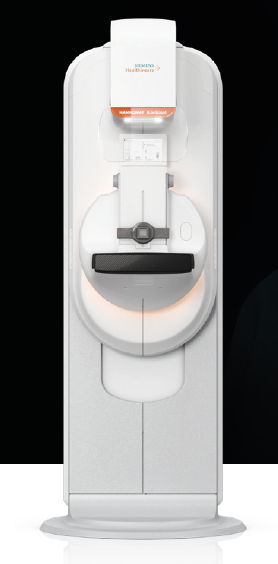
The Digital Mammogram delivers high-definition breast imaging with minimal discomfort— capturing clear, precise results in under 10 minutes. Advanced digital detectors enhance contrast and reduce radiation exposure, while intelligent processing highlights the smallest structural changes. Designed for early detection and peace of mind, it redefines accuracy, comfort, and confidence in women’s, and men's imaging. 👉 Tap or click the image to open the full brochure. 👉 Please press this link to open specifications.
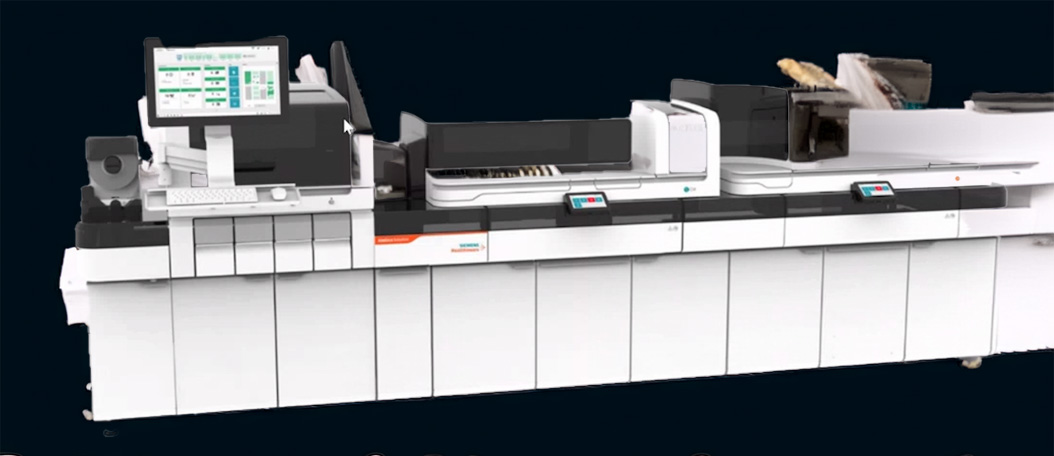
The Digital Lab brings full-scale laboratory automation into a 6.5 m² footprint—perfectly matched to the ScanPod™ environment. It integrates chemistry, immunoassay, and sample management into a single intelligent system, processing thousands of samples daily with minimal human handling. Linked to the Digital Intelligence network, each test becomes structured content—instantly available for research, diagnostics, and Human Digital Twin™ development. Fast, quiet, and self-monitoring, it turns one compact pod into a complete clinical ecosystem—small in size, extraordinary in throughput. 👉 Tap or click the image to open the full brochure.
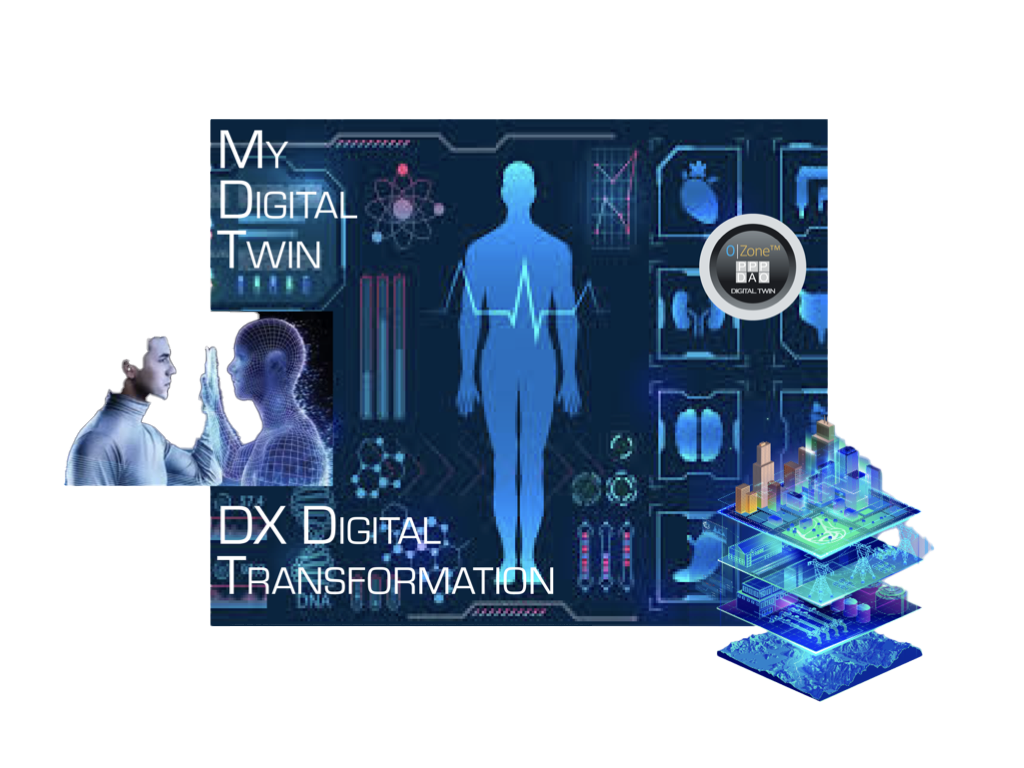
The Digital Twin:
Seeing the Whole Human
Each scan from a ScanPod™ captures a unique layer of the body — motion, flow, structure, metabolism, and density.
When these layers are stacked together, they form a composite digital model of how a person’s body actually works.
This model is called a DigitalTwin™ — a precise, living reference that lets physicians compare organ systems side-by-side, track change over time, and identify early signs of disease that traditional scans often miss.
For patients, it means rapid access to earlier answers and clearer decisions.
For researchers, it provides the anonymized data needed to study medium and long-term, as well as emerging pediatric conditions and patterns in Long COVID.
Each DigitalTwin™ remains fully private, stored under strict security and accessible only to authorized medical teams or, by consent, to ongoing research programs. A DigitalTwin™ is the bridge between today’s diagnostics and tomorrow’s Digital Intelligence — the point where understanding begins.
The Science of Seeing Inside
Most people think of a scan as a picture.
But a scan isn’t a photograph — it’s physics.
Each machine uses a different kind of energy to look into the body and translate invisible forces into patterns we can recognize.
X-ray — Structure and Motion of Bone and Joint X-rays send a stream of photons through the body. Dense materials like bone absorb more photons; softer tissue lets more pass. The difference becomes contrast — once captured in static black and white, now dynamically rendered in color. Modern digital X-rays can even show movement in real time — bones flexing, joints articulating, lungs expanding — the living mechanics of structure at work.
CT (Computed Tomography) — Precision Mapping of Density and Flow A CT takes X-ray energy and spins it, capturing hundreds of thin slices from multiple angles. Computers stack those slices into a 3D reconstruction that reveals the shape and density of tissue and organs. CT is ideal for detecting fractures, vascular blockages, or subtle density changes invisible to standard X-ray. Advanced Alpha-CT systems extend this into micro-resolution, showing arteries, stents, and blood flow in detail once thought impossible.
MRI (Magnetic Resonance Imaging) — The Architecture of Soft Tissue MRI is the world’s most elegant use of magnetism. It aligns hydrogen atoms in the body, perturbs them, and then records their resonance as they return to equilibrium. MRI excels where radiation cannot: muscles, tendons, ligaments, brain, spinal cord. It’s the map of texture and tone — the soft framework that holds the skeleton together. In digital form, MRI can track motion: a beating heart, fluid moving through the brain — tissues not frozen, but alive.
PET (Positron Emission Tomography) — The Metabolism of Life PET scans trace how the body uses energy. A tiny radioactive tracer follows the bloodstream, collecting wherever cells are most active. The resulting photons reveal metabolism itself — how the body feeds, repairs, and defends. PET identifies abnormal activity early, even before structural changes appear — making it invaluable for cancer, infection, inflammation and neurological research.
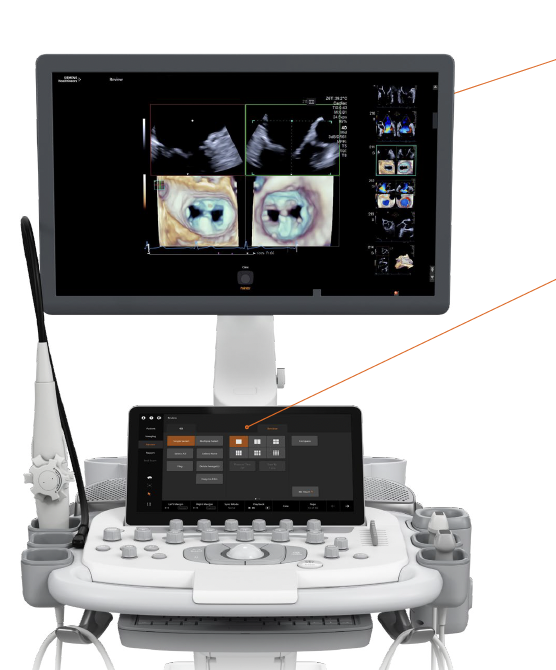
Ultrasound — Real-Time Movement of Living Systems Ultrasound sends high-frequency sound waves through tissue and captures the echoes. It’s best for soft organs and fluid motion — the heart beating, blood flowing, a child developing. It’s immediate and interactive — energy turned to image in real time, no radiation at all.
Mammography — Detecting Subtle Density Changes Mammography uses refined X-ray photons at lower energy to highlight small differences in tissue density. It detects patterns too faint for other imaging — the early signatures of disease, before any outward sign appears.
The Power of Digital Motion
In analog imaging, the body was a still frame — frozen for interpretation.
In digital imaging, the body is dynamic. Every modality now sees motion:
bones in sequence, tissue in response, energy in transition.
Each one contributes a layer of understanding:
• X-ray defines structure.
• CT shows the flow within it.
• MRI reveals the composition.
• PET shows the energy exchange.
• Ultrasound brings time and rhythm.
• Mammography focuses on subtle change.
When combined, these create a living model — a synchronized field of the body’s functions as they truly are: moving, interacting, adapting.
The Role of Digital Intelligence
Digital Intelligences now integrate all of these data streams — motion, energy, magnetism, sound — into a single cognitive framework.
They compare what the human eye can see with what energy itself is revealing.
They detect patterns invisible to vision: early signs of imbalance, stress, or disease that would take years to notice through symptoms alone.
Where medicine once interpreted static images, it can now analyze continuous systems.
The human doctor still decides — but with a view once reserved for nature itself.
Each Digital Imaging Modality and associated GreenBox™ ISO Intermodal Containers constitute equipment that generates thermal energy and vibration—forms of entropy that can be captured and utilized within advanced digital intelligence systems.
The proprietary design of GreenBox™ – Beyond Mil-Spec™ ISO intermodal containers, purpose-built to house specific digital imaging modalities, enables the controlled capture of this thermal energy for conversion into electricity.
A Companion Container set, housing advanced AI compute resources, integrated with advanced digital imaging equipment, forms a unified facility that combines thermal capture, entropy-aware computation, and imaging intelligence.
This ScanPod™ integrated architecture supports self-sustaining power generation and advanced AI processing, and is engineered to qualify as a §48E Qualified Facility for advanced computing, thermal recapture, and Beyond Net Zero™ operations.
High-income participants who elect to acquire these equipment components may be eligible to benefit from applicable federal, state, and/or local clean energy incentive programs that can offset a portion of the acquisition cost. These incentive mechanisms are collectively described as Self-Directed Incentive Capacity (SDIC).
A Unique Form of Instrument of International Traffic
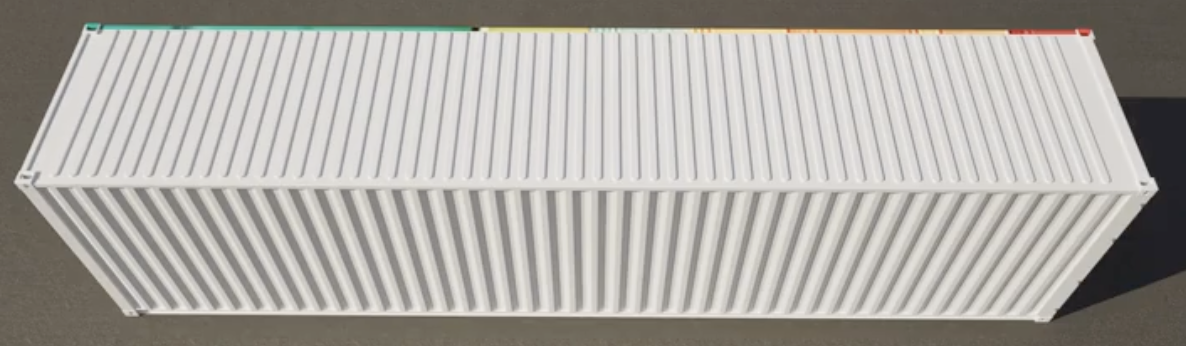
GreenBox™ — Beyond Mil-Spec-grade. Built for Discovery.
GreenBox is more than an ISO intermodal container — it’s a self-aware infrastructure system engineered Beyond Mil-Spec™ for extreme environments and high-value transport. Each unit integrates graphene heat exchangers, EMP shielding, and phase-change energy cells that generate and recycle power while in motion or at rest.
Guided by embedded Digital Intelligences, GreenBox systems transact autonomously, monitor cargo integrity, and sustain onboard labs or compute environments anywhere on Earth. Whether carrying digital imaging systems, data centers, or mission-critical materials, every GreenBox functions as a secure, intelligent habitat — a vessel for power, precision, and discovery.
👉 Tap or click the container image above for more information.
Powered by
GreenBox redefines what a container could be. Engineered beyond Mil-Spec, it is designed to move not merely as cargo — but as an intelligent vessel aware of its environment, its load, and its mission.
Every surface, corner, and seam has purpose. Its unique 8’ and 10’ increment side castings extend structural integrity through interlocking rails, enabling offset, parallel, or perpendicular coupling. Magnetic locks and dual-axis rails create unmatched rigidity across shipboard stacks, stabilizing entire decks while expanding new geometries for high-value configurations.
In motion, GreenBox becomes a self-sustaining organism. Its external sensor suite—visual, thermal, weather, and long-range atmospheric—continuously maps transit conditions, while internal sensors monitor microclimate, vibration, and radiation across all payload zones.
During ocean or overland transport, GreenBox generates its own energy—absorbing BTUs through its graphene exchanger skin, harvesting solar radiation, and storing it in phase-change cassettes that operate as modular micro-reactors. The system is designed to maintain cryogenic and frozen-state cargos without external power, extending preservation windows far beyond conventional limits.
Upon arrival, GreenBox docks seamlessly with GreenPad™ docking pads, transferring its stored thermal and electrical energy into port systems—linking directly to geothermal wells, energy recovery loops, and digital metering networks.
Beyond logistics, GreenBox acts as a transnational transactional node—a mobile data center powered by embedded Digital Intelligences. Operating across jurisdictions and in international waters, it maintains secure quantum identity, encrypted quantum keys, and autonomous CalypsoCube™ datastores that record every transaction in motion: cargo verification, carbon offsets, energy exchange, and digital customs clearance. Each GreenBox is designed to maintain its own sovereign digital ledger, enabling compliance, payments, and regulatory transparency in real time. Its onboard Digital Intelligences are configured to orchestrate data routing, optimize energy flow, and negotiate inter-system protocols, transforming each voyage into a live, audited exchange between nations, networks, and machines.
Every journey is a closed-loop cycle of power, data, and motion—a container that thinks, heals, and contributes wherever it lands.
— 16’ × 40’ of Intelligent Purpose
When two GreenBox containers join, they form a unified 16-foot by 40-foot interior — a precision-sealed, energy-synchronized chamber engineered for temporary or extended specialty applications. Within this Companion Container Set, every wall, ceiling, and floor is alive with function: capturing, storing, shielding, and computing.
GreenBox – Beyond Mil Spec version integrates full-spectrum kinetic, frequency, and EMP protection, with multi-layer graphene and Faraday lattice shielding on both interior and exterior surfaces. Each surface not only defends — it works. The structure continuously absorbs and converts BTUs into electrical power, feeding underfloor phase-change SMRs that operate whether or not solar panels are deployed above.
In this configuration, energy systems operate in redundant dual arrays, sustaining full functionality even under isolation. Waste heat from embedded specialty processes — imaging systems, AI clusters, or experimental workloads — is captured, re-routed, and reconstituted into usable power.
The Companion Container Set becomes a self-sustaining data center, its intelligence amplified by embedded Digital Intelligences that manage power flows, environmental equilibrium, and data integrity in real time. It is a complete beyond-AI infrastructure node — one that thinks, defends, and generates, wherever it stands.
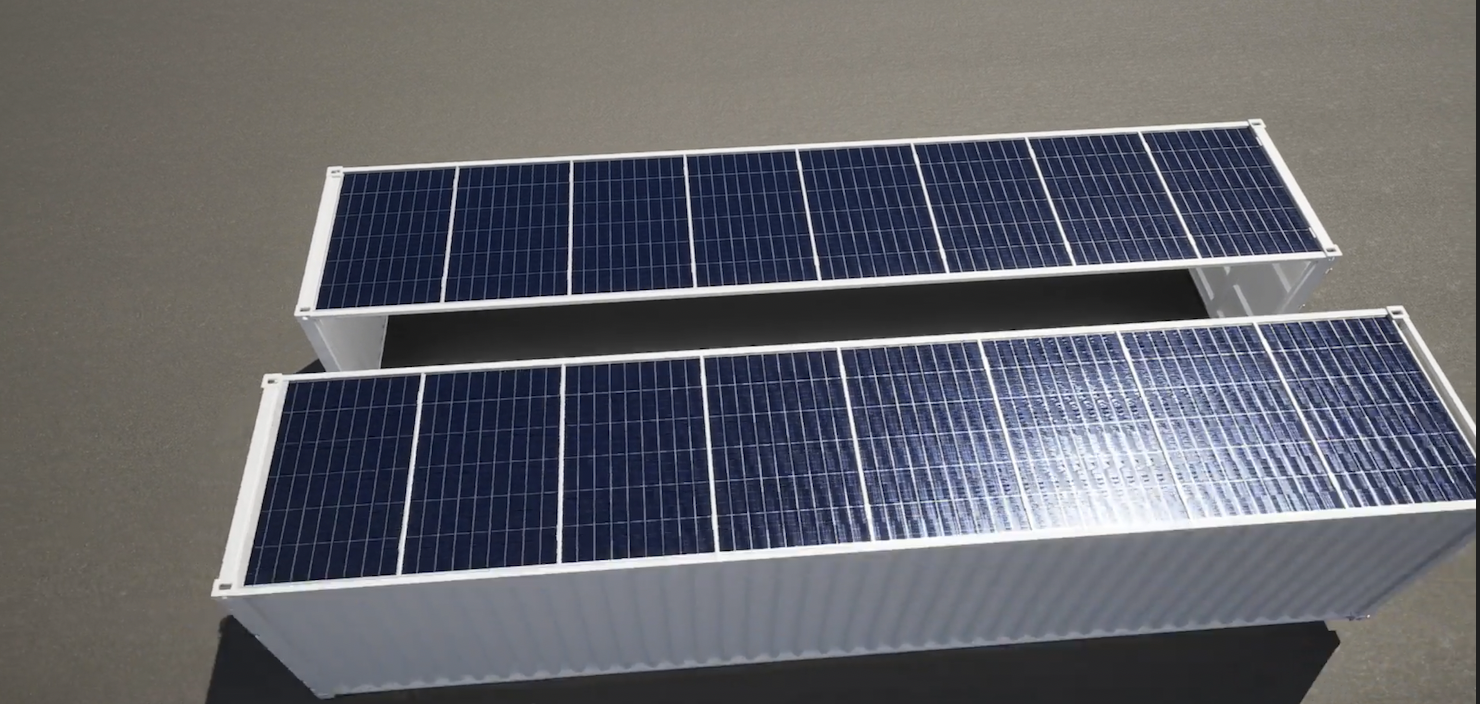
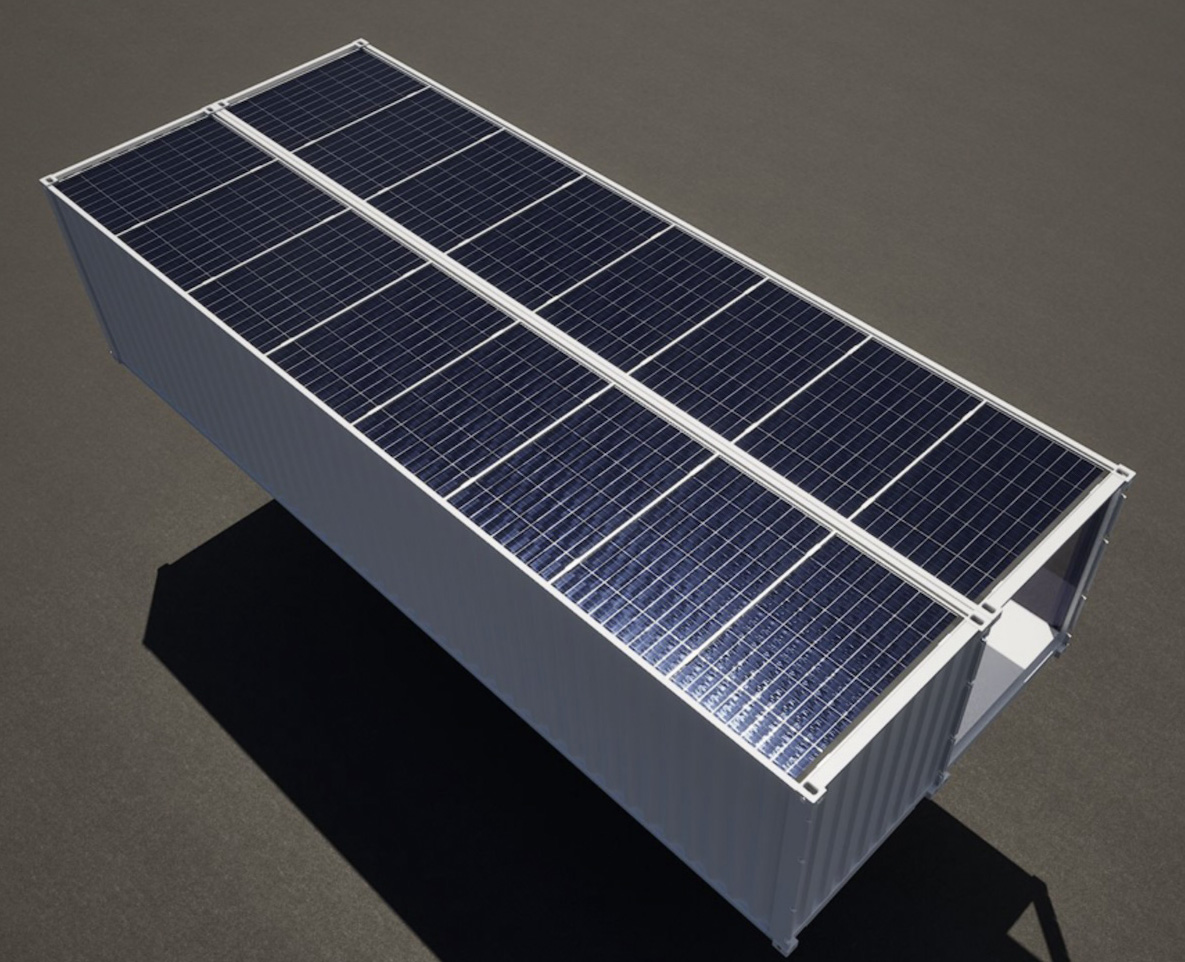
GreenBox exterior side walls are engineered as removable, modular structural panels, enabling containers to be interconnected, separated, and reconfigured over time.
In addition to the standard ISO intermodal configuration—comprised of four upper and four lower corner castings—GreenBox introduces supplemental side castings positioned along the container length at horizontal intervals of eight feet (8′) and ten feet (10′), at both the upper and lower structural planes. These additional castings enable lateral container coupling, structural load sharing, and multi-container assemblies that extend beyond conventional end-to-end configurations.
The removable side panels are designed to be detached, reinserted, and resecured as required to support transportation, redeployment, and on-site reconfiguration, without compromising ISO handling, stacking, or intermodal transport compatibility.
GreenBox further incorporates engineered thermal and airflow interfaces across the side walls, roof, floor, and end-door assemblies. These interfaces support the controlled capture, redirection, exchange, and/or dissipation of thermal energy, depending on operational requirements.
Collectively, this architecture enables flexible system scaling, advanced thermal management, structural modularity, and lifecycle adaptability across stationary, semi-mobile, and redeployable deployments within and between O|Zone™ Digital Container Ports.
Each GreenBox container within a ScanPod is to be connected through its GreenPad to a geothermal well per ScanPod. Each geothermal well is designed to provide stable, renewable thermal support, while ISO-framed GreenPads distribute this energy across each GreenBox™ container footprint of a ScanPod™ and connect directly into underground container-based tunnel system that originates at Thermal Utility Core, when located within a Campus. The JouleBox™ tunnel system is integrated into a vertical geothermal system through the wells and horizontal geothermal system co-located with the JouleBox™ tunnels.
The system is designed to incorporate specialized solar throughs on the top level of perimeter units, connected into the core Thermal Utilitty Engine™ underneath the Town Centre, when located within a Campus.
Modular solar trough assemblies are mounted along the second-level perimeter of the campus wall, integrated within the containerized utility exoskeleton. Each unit operates as a Parabolic Thermal Container, tracking solar input and concentrating heat into a high-grade thermal stream. This energy is routed through the GreenPad and JouleBox infrastructure into the central Thermal Utility Engine (TUE), where it elevates the high-temperature side of the system. A similar architecture may be employed for single Pod configurations.
By augmenting the TUE with concentrated solar thermal input, the system enhances performance of supercritical CO₂ and Stirling engine cycles, increasing overall electrical generation efficiency while maintaining a fully containerized, modular deployment architecture.
This configuration gives every ScanPod™ — and every future pod-based facility in the campus — a consistent, repeatable foundation with long-term clean-energy support, temperature stabilization, and operational reliability.
JouleBox™ — Each JouleBox™ is engineered as an ISO intermodal container purpose-built for clean energy storage, with a primary focus on thermal energy storage and temperature manipulation. In this configuration, JouleBox™ is designed to qualify for §48E clean energy storage incentives.
The principal distinction between a standard GreenBox™ and a JouleBox™ lies in functional emphasis: JouleBox™ is optimized for clean energy storage, whereas GreenBox™ configurations are typically equipped for both electricity generation and energy storage. A JouleBox™ can also facilitate geothermal infrastructure and enable long-term storage.
JouleBox™ can also be engineered for subsurface and hardened deployments, including underground installations, interconnecting tunnels between ScanPods, EMP-shielded AI compute environments, and point-to-point utility infrastructure where resilient, non-generative energy storage is required.
Core Modules -
From these core "Pod" modules come larger, multi-use structures.
Here you can see a four-unit (2×2) configuration with integrated stairwell and elevator—built to ADA standards, which may include bullet- and blast-resistant exteriors.
These same cores can become clinics, shops, offices, restaurants, or living suites, depending on finish and fit-out.
Every unit is designed to connect laterally and vertically, giving developers near-limitless flexibility to create safe, energy-efficient environments that evolve with community needs.
Adding a GreenPad under each ISO Intermodal Container enables a Pod to be connected into a campus-setting Thermal Utility Engine, to facilitate access to campus-wide utilities.
A mix of GreenBox™ and JouleBox™ core modules can enhance electrical generation across a Pod, and assure electricity capacity limitations are achieved for §48E Qualified Facility tax incentives.
A key objective of Pod configuration is to generate more electricity than such Pod consumes, although no assurance can be given.
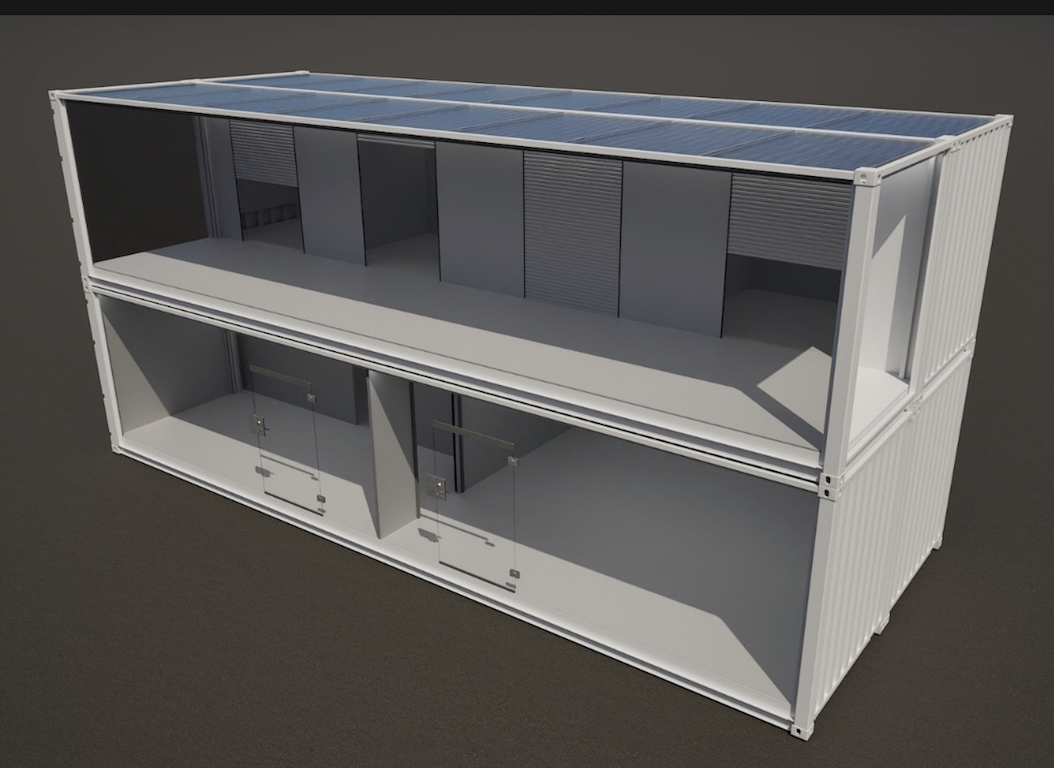
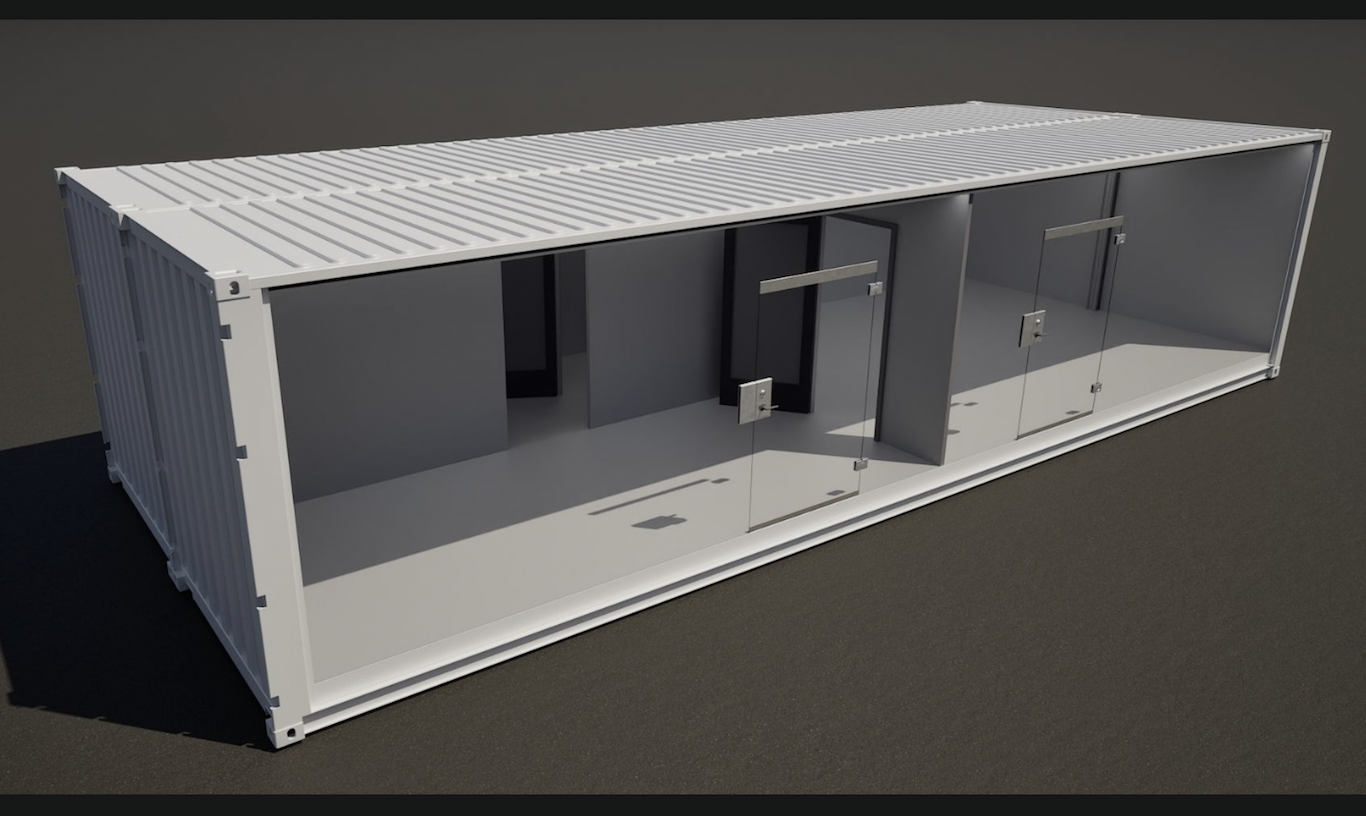
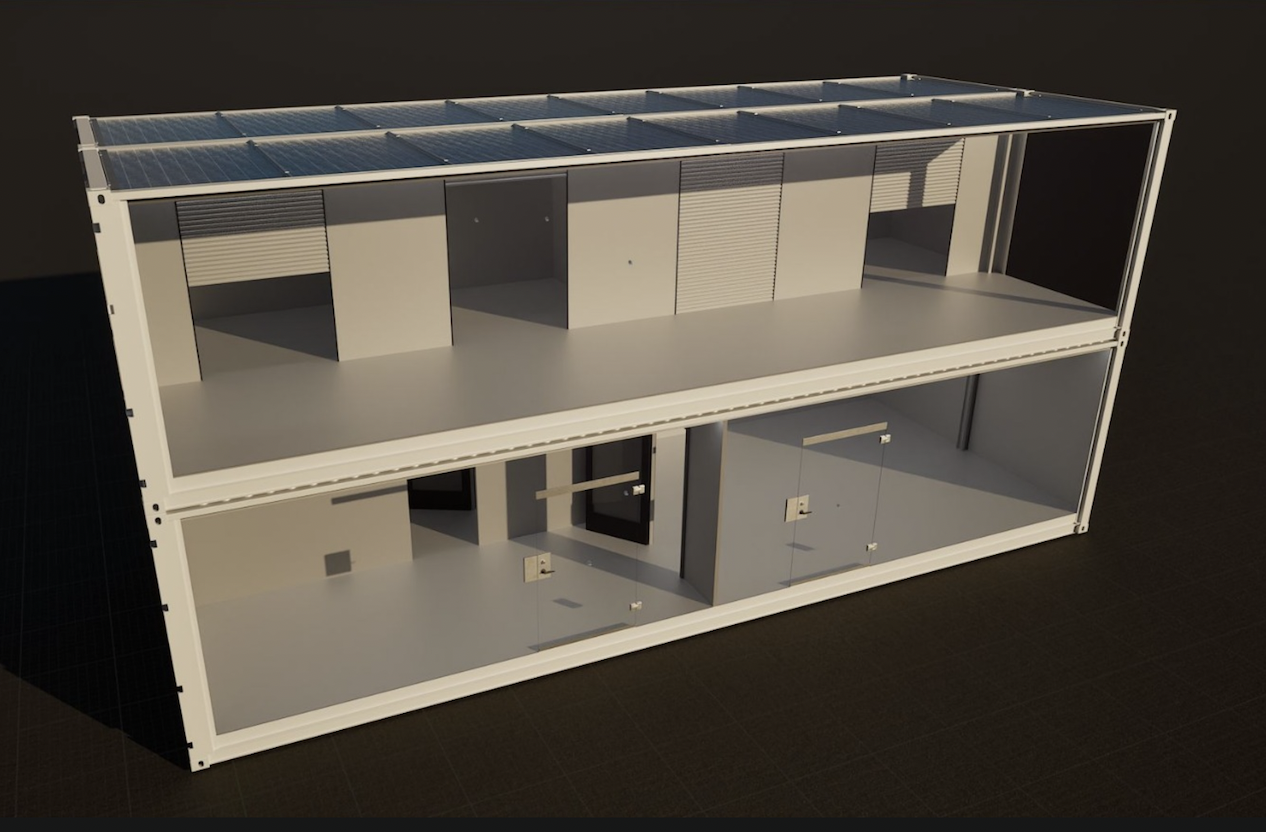
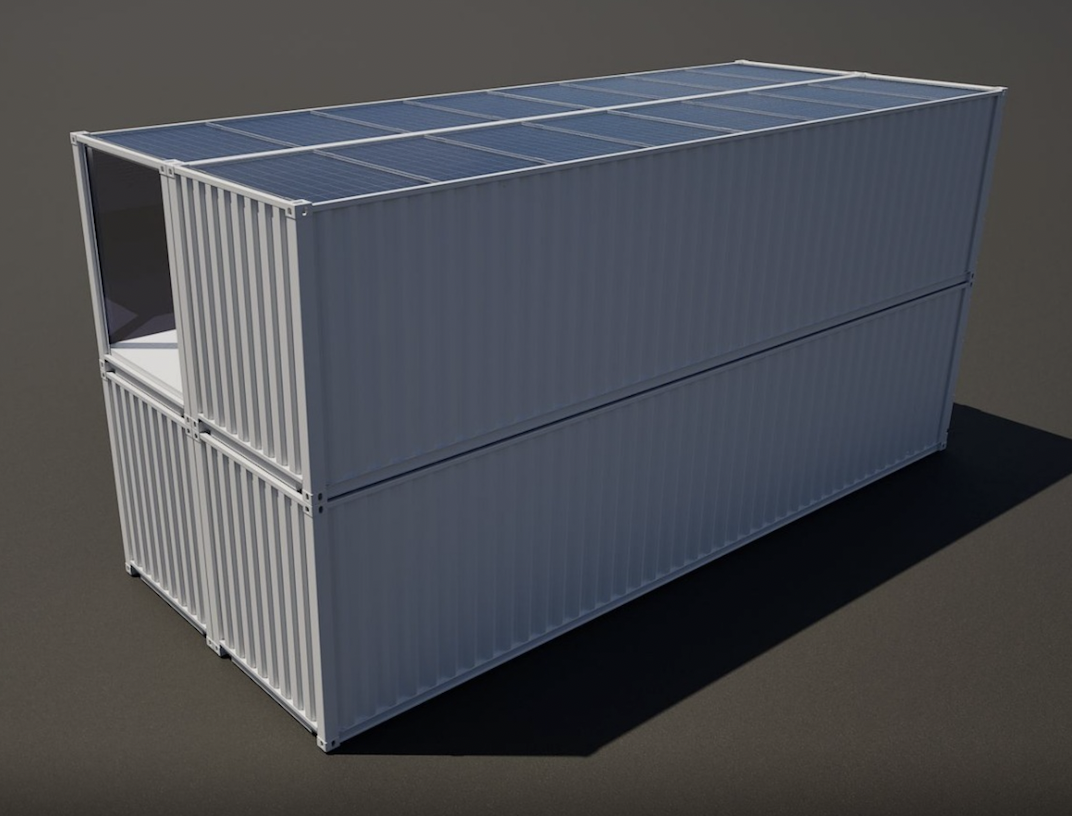
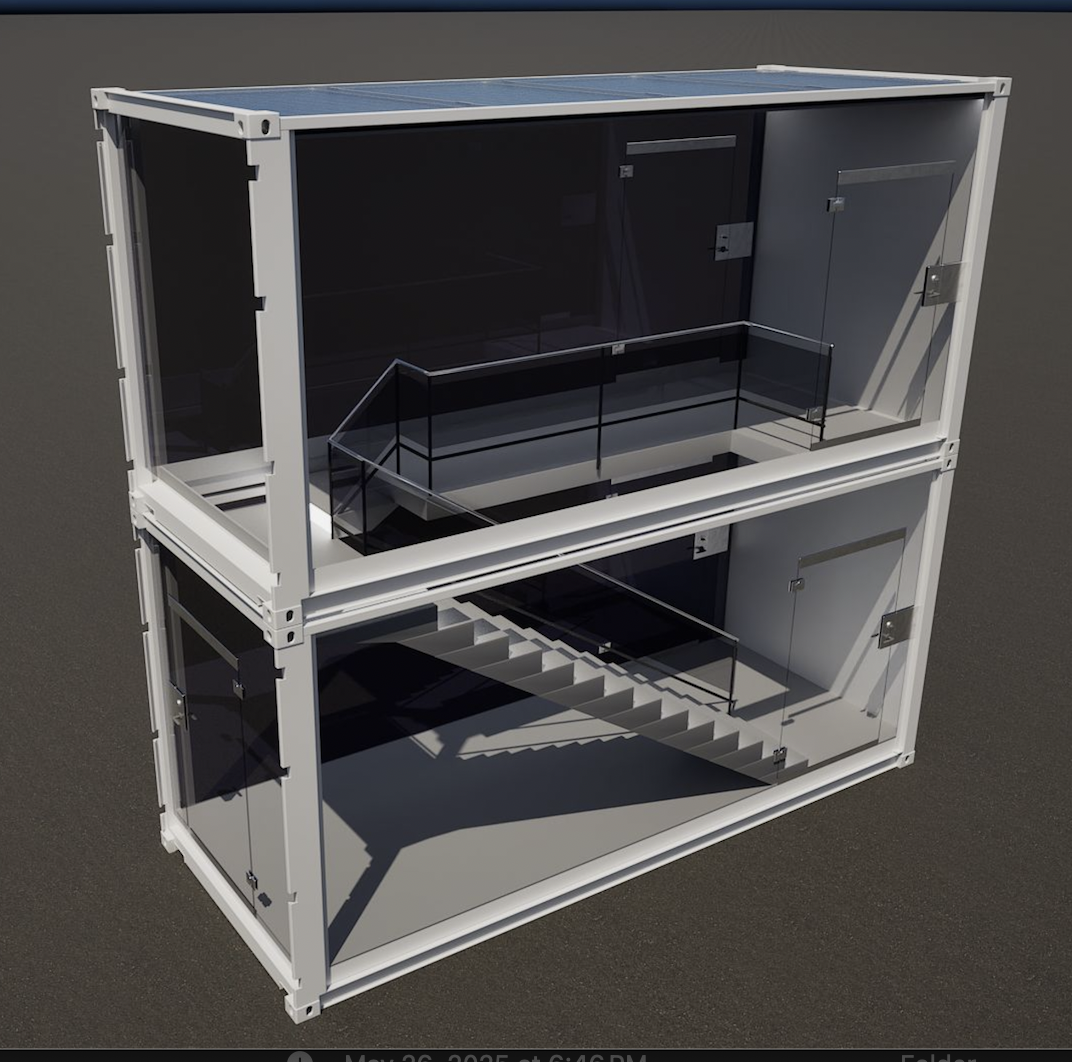
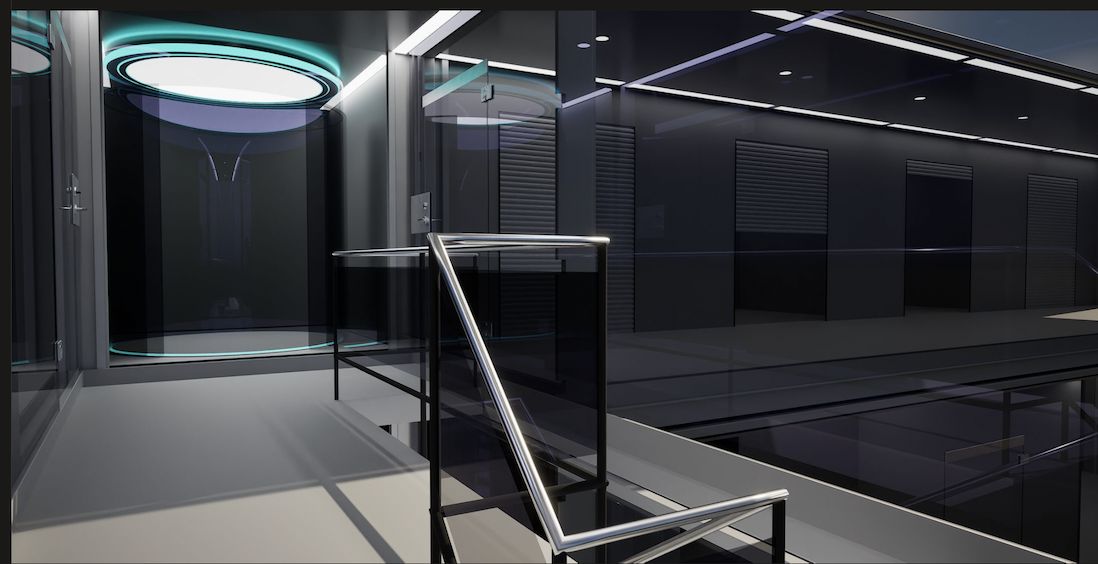
Illustrated above are a two-story stair assembly, an elevator container, and multiple hallway assemblies. When combined with GreenPad™ foundations, these modular components form a structural exoskeleton that supports piping, wiring, thermal management, and geothermal integration across single-Pod and multi-Pod configurations.
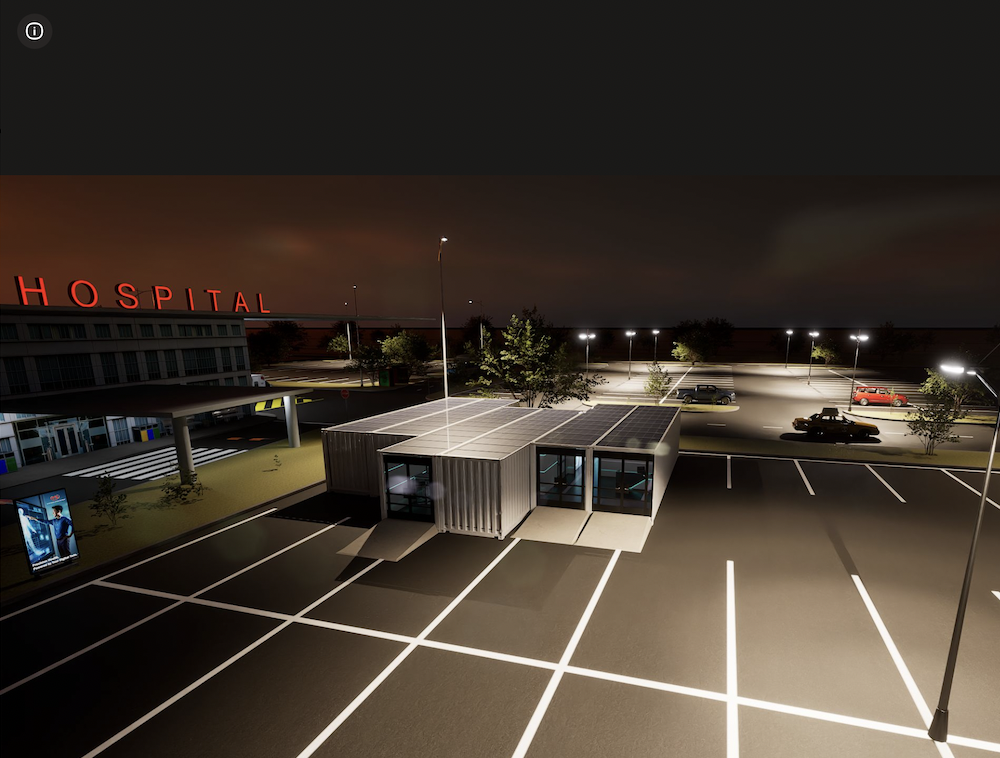
Each ScanPod is a configuration of GreenBox associated components, advanced digital scanning equipment, ai compute frameworks, thermal energy to electricity conversion systems and applicable infrastructure hardware.
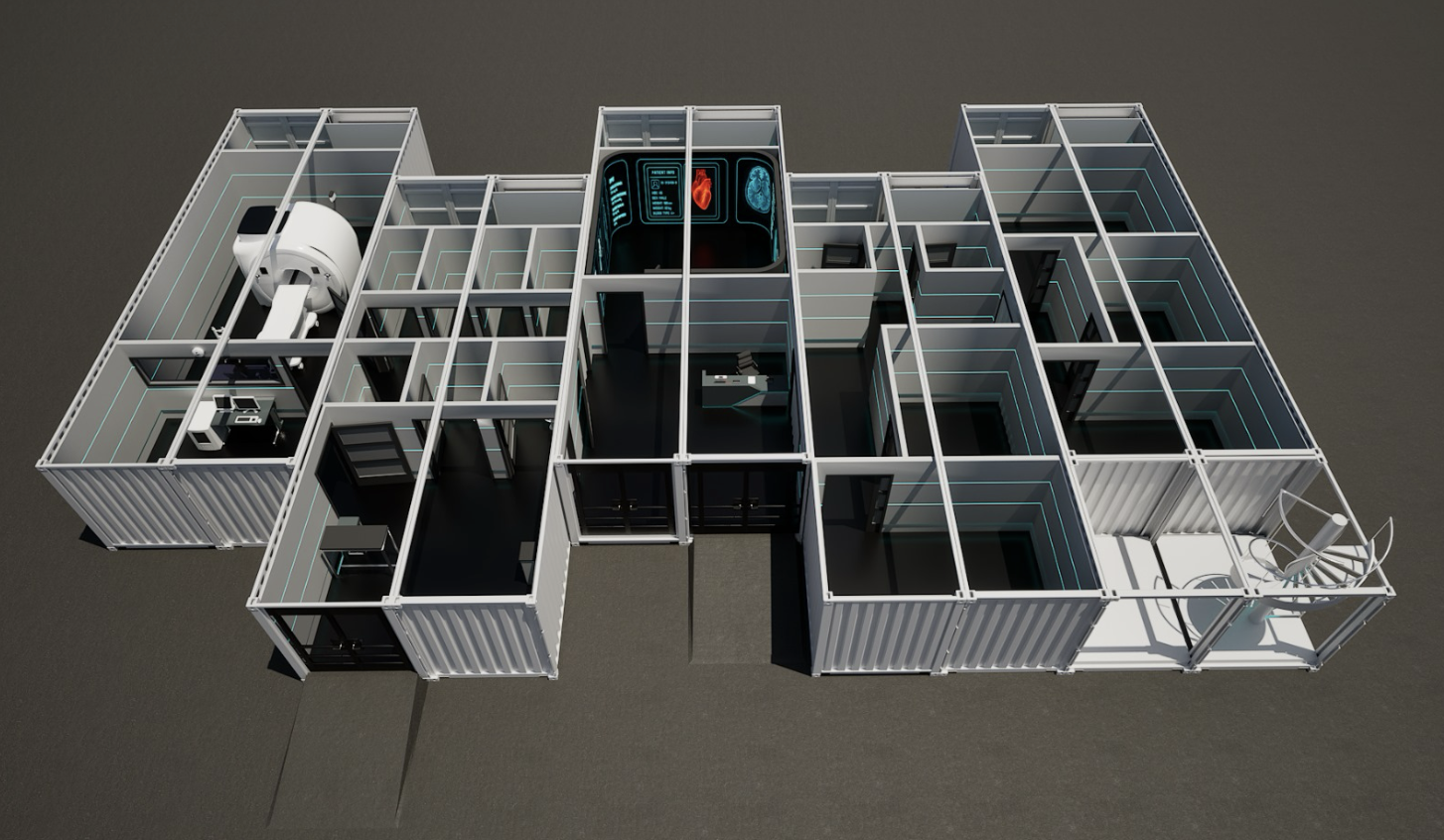
Inside the ScanPod™
This is where advanced digital scanning meets everyday care.
Each space within the ScanPod houses a specialized digital imaging system — from robotic X-ray to MRI, PET, CTs, and ultrasound — arranged for speed, safety, and comfort.
Children and adults can complete every scan in a single visit, with data streamed directly to physicians and researchers studying pediatric disease and Long COVID.
It’s a quiet, efficient environment built for precision and healing.
Each ScanPod is designed to be located within designated locations within a PAOZ's digital container port.
Each ScanPod is generally expected to comprise approximately 25 40' Intermodal Containers, plus associated GreenPad units, which facilitate connection between containers and surface attachment, as well as utilities.
Each ScanPod™ is designed to integrate an advanced digital imaging modality.
The unique nature of the O|Zone Initiative includes the use of internationally certified ISO intermodal containers designed to generally include advanced AI digital intellegence, thermal capture designed to produce electricity as self-sustaining micro AI nodes and other forms of specialty functionality. This equipment is specifically designed to qualify for federal 100% bonus depreciation, IRS Section 48E investment tax credits and AGI offsets, as well as state and local tax incentives for equipment purchasers who apply these self-directed incentive capacity (SDIC) incentives into O|Zone related projects.
Let's take a Drone flight through a ScanPod™
The short video below illustrates a fly-through of a fully assembled ScanPod™ — a complete scanning, AI and data environment embedded in modular GreenBox™ units.
You’ll move from the scanning module itself to the comfort and support spaces designed around it — locker rooms and restrooms where patients can change into scanning attire, a small refreshment area, and a welcoming reception and conference zone with high-tech video walls.
Further inside, you’ll see the secure data center where scan information is processed and stored, along with specialty rooms for video consultations with physicians anywhere in the world.
These spaces can also host immersive, large-scale displays for reviewing scans in detail.
Every module serves a purpose — patient care, data integrity, or collaboration — all connected in one efficient structure dedicated to early detection and advanced diagnostics.
Each Pod may facilitate a range of activities. A ScanPod may be located with a Campus or on an individual site.
ScanPort™ Corner
At first glance, it might look like a single modular scanning facility, a ScanPod™ — a compact structure built from GreenBox™ units with precision and purpose.
But a closer look reveals something more.
By extending these modules outward to include process and storage spaces, the design begins to take shape — the suggestion of a corner, the beginning of a larger form.
Each container serves a role: scanning, administration, data handling, or support.
Together they create a rhythm of structure that feels intentional, expandable — almost as if this corner is part of a greater whole waiting to be seen.
A ScanPort may comprise a series of ScanPods on individual sites and or be located in a campus structure. It is designed to integrate seven digital scanning modalities, each in its own ScanPod™, generating an AI-enabled DigitalTwin™ of each participant.
This approach is designed to substantially reduce diagnostic wait times, support whole-body health analysis, lower costs and enable longitudinal insight into recovery and resilience.
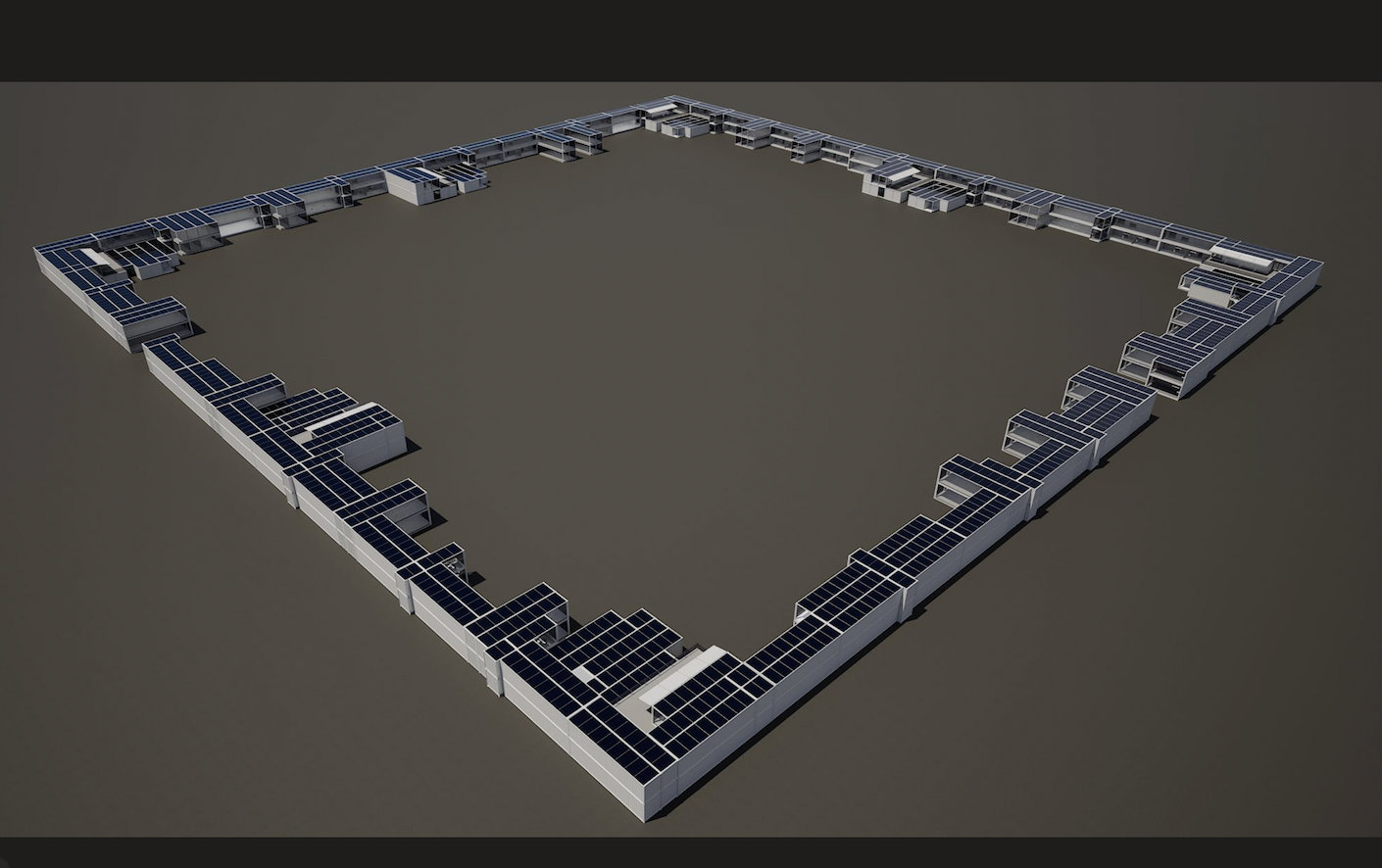
The image above illustrates the modularity of a campus configuration, within a designated Digital Container Port. The ScanPort™ image titled Innovative Solutions represents the ScanPod™ located at the top of the diamond shape above. The diamond configuration includes seven ScanPods, one for each digital modality. It also illustrates spaces for a wide range of activities housed in various GreenBox™ Intermodal Container Pod configurations.
ScanPort-OKCMetro™ campus is designed to take shape as an advanced form of container port, creating a multi-use facility the core building blocks of which are ISO certified containers which generate their own electricity and are self-powered ai "edge" nodes designed to advance international trade.
These unique Pod modules may be configured into a variety of facility shapes and sizes, supporting rapid deployment for civic, specialty, industrial and emergency applications.
ScanPort-OKCMetro™ site is designed to utilize GreenBox™ components to house each unique digital scanner in a collection of GreenBox™ Pods, each a micro power station and advanced micro ai compute platform.
ScanPort™ Campus — Secure, Scalable, and Self-Sustaining
Seen from above, the ScanPort™ image illustrates a 10+/- acre self-contained community of care.
Seven ScanPods anchor the corners and sides, forming a secure perimeter with solar roofs, kinetic shielding, and integrated data flow. Inside lies a flexible commons — designed for parks, fountains, small shops, and gathering areas. This is health infrastructure built for people, not institutions.
The following images illustrate various GreenBox system components applied within a campus
ScanPod
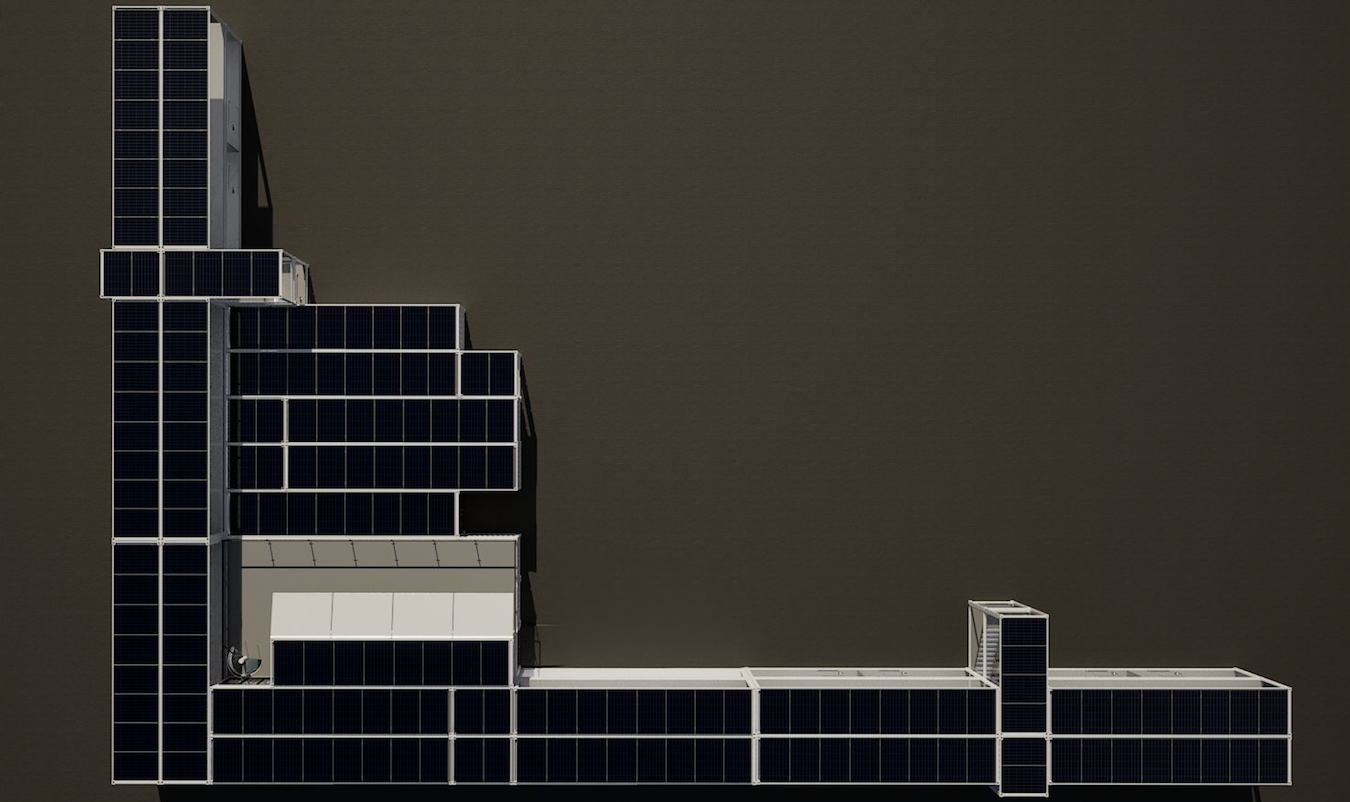
This view shows one of the ScanPort™ corner assemblies — a cluster of GreenBox™ modules configured around a single ScanPod™. Each corner functions as a self-contained scanning and operations unit, capable of running independently or as part of the full complex. You can start to see how extending the form with offices, storage, shops and service corridors hints at something larger — the outline of a connected system beginning to emerge.
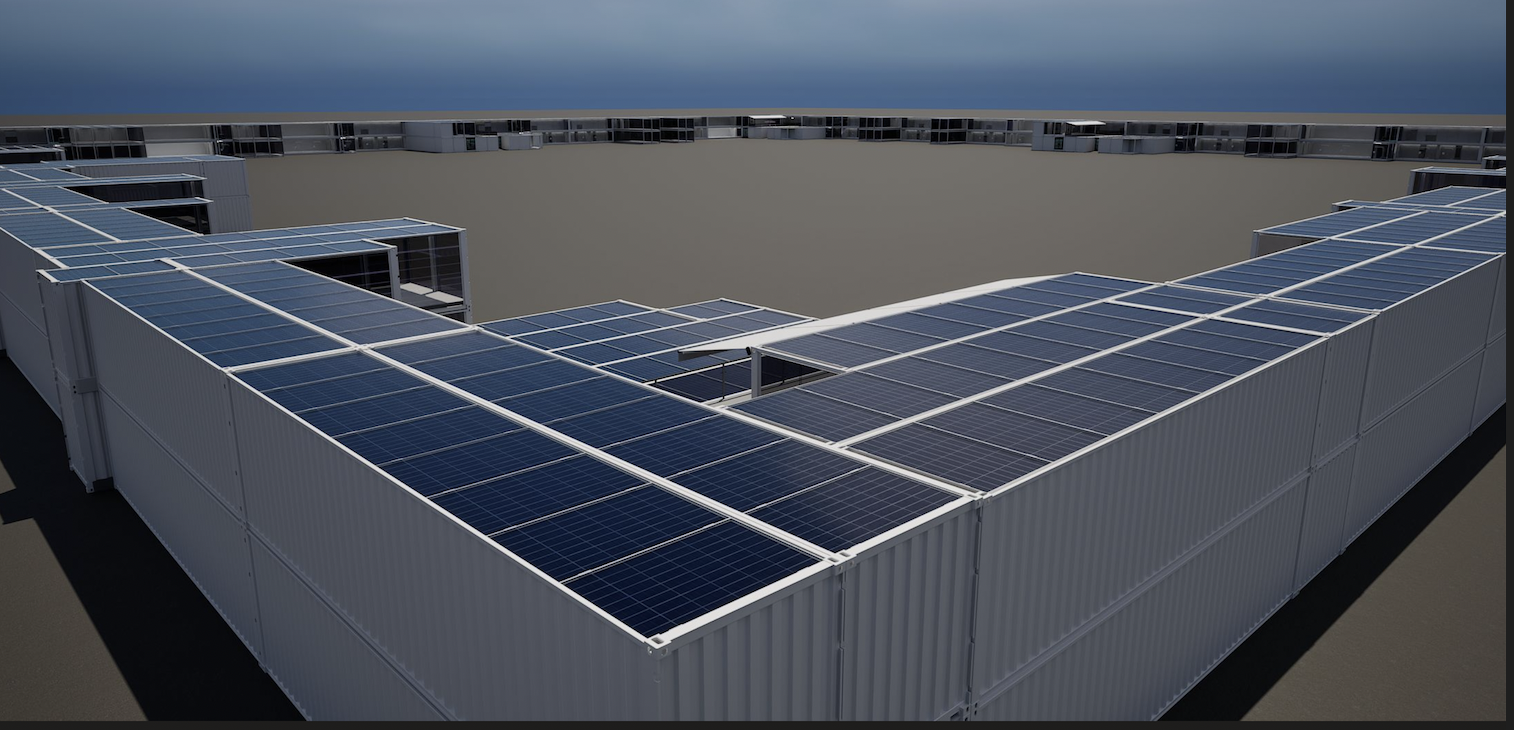
From above, the design reveals its purpose. The interior elevation shows how light, air, and power move across the top of the ScanPort™ structure. Rows of solar-integrated GreenBox™ roofs supply renewable energy to every module below, while interior walls and corridors define secure pathways for patients, staff, and data. It’s a glimpse inside a living framework — built for precision on the outside and care on the inside.
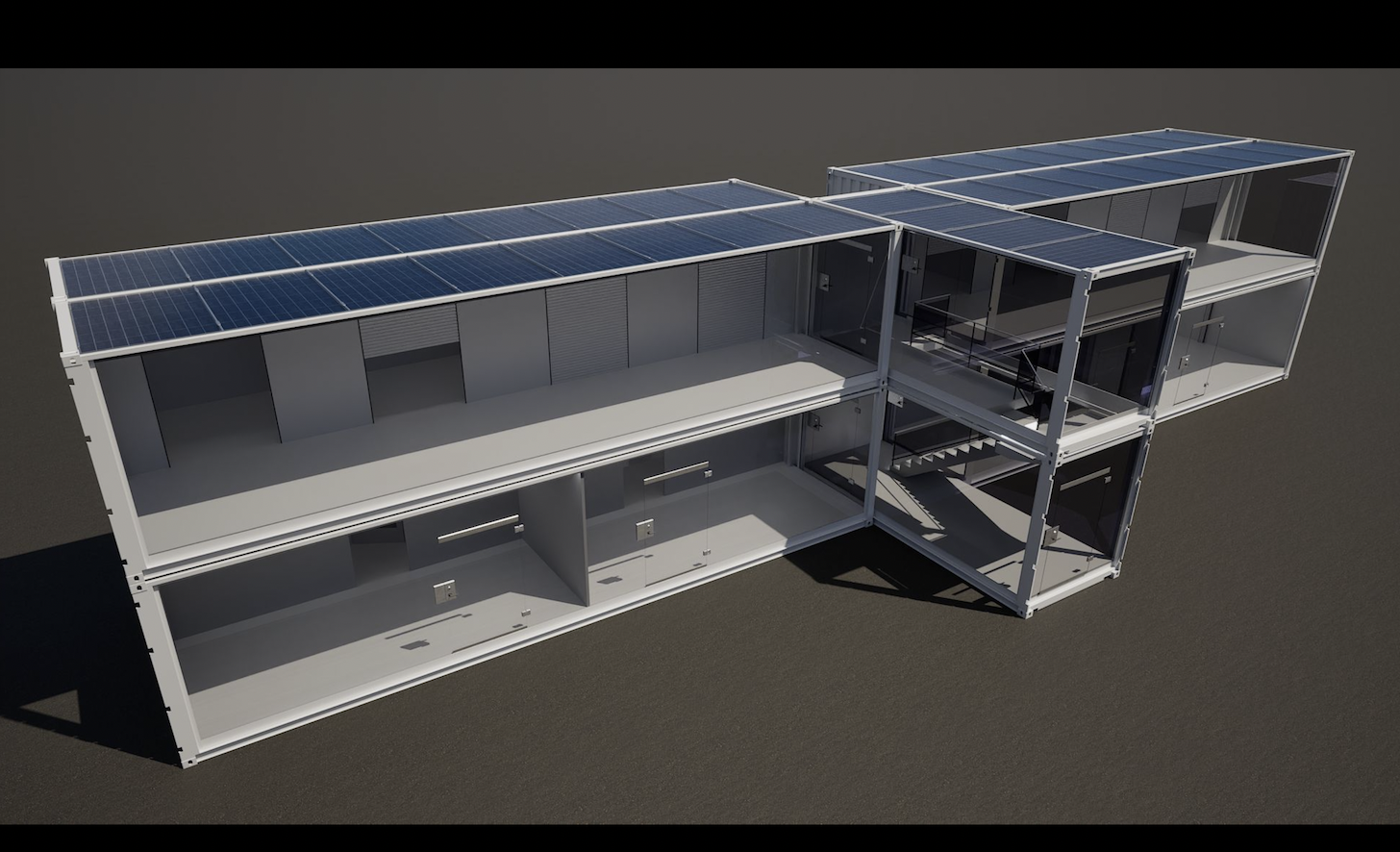
ScanPort- OKCMetro™ campus is to be built around a central Thermal Utility Engine™ located beneath the Town Centre, supported by a network of geothermal wells and GreenPads that anchor each ScanPod™ and every future modular facility on the site. This Thermal Utility Engine is designed to distribute clean thermal energy, electrical and digital pathways, and water services through underground modular tunnels (JouleBox™) that connect to all pod-based structures across the 10+/- acre campus.
These foundational elements are to enable the entire site — from the seven ScanPods to research modules, community spaces, office and lodging pods, and educational facilities — to operate on a unified clean-energy and geothermal system designed for long-term stability and expansion.
The following description provides an overview of the design objectives of the TUE infrastructure acting as an operational thermal energy research environment.
Modern campuses rely on electricity as their primary energy currency.
The Thermal Utility Engine™ (TUE) takes a different approach.
TUE is designed around the idea that thermal energy—heat and cold—is the most abundant, flexible, and underutilized resource on a campus. Instead of treating heat as waste and cold as an afterthought, TUE is designed to manage thermal energy as a first-class utility, alongside water, communications, and logistics.
The result is a campus that operates more efficiently, more resiliently, and with far greater flexibility than conventional designs.
What the Thermal Utility Engine™ Is
The Thermal Utility Engine™ is the central thermal infrastructure of the campus.
It functions as:
a BTU reservoir for storing heat and cold,
a thermal router that distributes energy where it is needed,
a temperature conditioner that sharpens hot-side and cold-side performance,
and a coordination layer that allows hundreds of independent systems to operate as a unified whole.
TUE does not replace distributed systems.
It enables them to perform better.
A Campus Utility, Not a Power Plant
TUE is not designed to generate electricity itself.
Instead, each GreenBox™ Beyond Mil-Spec™ on the campus is an independent, self-contained unit capable of producing electricity using closed-cycle systems such as Stirling engines and supercritical CO₂ systems.
TUE’s role is to manage the thermal environment that makes those systems more efficient.
By improving temperature stability and increasing the usable difference between hot and cold, TUE allows each GreenBox™ to:
generate more electricity from the same inputs,
operate more consistently,
and remain resilient under changing environmental conditions.
In simple terms: TUE helps every unit do more with less.
How Thermal Energy Is Captured
Thermal energy enters the system from multiple sources across the campus.
Distributed Capture in GreenBox™ Units
Every GreenBox™ naturally captures and produces heat and cold during operation. Instead of wasting this energy, TUE collects and redistributes it across the site.
Solar Thermal at the Campus Perimeter
Along the campus perimeter, linear parabolic solar troughs are mounted above the containerized wall structure. These troughs rotate to follow the sun and concentrate solar energy into a circulating heat-transfer fluid.
Rather than producing intermittent electricity, this solar energy is delivered as usable heat into the TUE system, where it can be stored and dispatched as needed.
Environmental Exchange
The campus also uses:
natural air movement along the perimeter for cooling,
ambient heat exchange,
and subsurface thermal interaction with the ground.
Together, these sources create a diverse and resilient thermal input portfolio.
Thermal Storage and Conditioning
At the center of the campus, TUE incorporates thermal storage systems operating across multiple temperature ranges.
High-Temperature Storage
High-temperature thermal storage—such as molten-salt systems—enables heat captured during peak conditions to be stored and used later. This stabilizes operations and supports higher-efficiency energy conversion when needed.
Phase-Change Storage (PCM)
Within the underground infrastructure as well as GreenBox™ containers, phase-change materials (PCMs) are used to absorb and release heat at precise temperatures. These modules smooth thermal fluctuations and allow controlled step-up or step-down of temperature as energy moves across the campus.
Cold Storage and Heat Rejection
Cold-side stability is just as important. TUE integrates:
vertical geothermal wells for long-term thermal moderation,
horizontal geothermal loops adjacent to underground JouleBox tunnels for fast response,
and ambient and perturbation-assisted cooling using wind, pressure changes, and natural thermal gradients to enhance cooling and heat rejection—reducing mechanical load while improving system efficiency.
Perturbation-Assisted Cooling
Perturbation-assisted cooling refers to the intentional use of naturally occurring disturbances—such as wind shear, pressure changes, turbulence, and thermal gradients—to enhance heat rejection and cooling efficiency across the campus.
Rather than relying solely on powered fans, wind mills or active mechanical systems, the campus is designed to capture and guide environmental perturbations and convert them into useful cooling work.
At the perimeter of the campus, wind interacting with the outer wall creates predictable upward and accelerated airflow. This airflow is shaped and channeled through perimeter-integrated infrastructure to assist with heat rejection, condenser cooling, and cold-side thermal support. Even modest variations in wind speed and direction can significantly increase effective airflow when properly guided.
Below ground, thermal perturbations caused by temperature differences between tunnels, soil, and geothermal loops are similarly leveraged to improve heat exchange. Horizontal geothermal runs adjacent to JouleBox™ tunnels and vertical geothermal wells provide additional thermal sinks that respond dynamically to load fluctuations.
By working with environmental variability instead of fighting it, perturbation-assisted cooling:
reduces parasitic electrical load,
improves cold-side stability for closed-cycle systems,
enhances overall temperature differentials, and
increases system resilience during peak heat or high-wind conditions.
In the Thermal Utility Engine™, perturbation is not treated as noise—it is treated as useful signal.
This layered approach ensures the campus always has a reliable place to put excess heat.
The JouleBox™ Tunnel Network
Beneath the campus surface, JouleBox™ tunnel containers form the active utility backbone of TUE.
These tunnels:
carry piping, wiring, and control systems,
house thermal modulation and PCM assemblies,
condition energy as it moves between sources, storage, and uses,
and provide protected, serviceable infrastructure that can evolve over time.
Rather than passive conduits, JouleBoxes™ are working infrastructure modules—actively shaping how energy flows across the campus.
Why Temperature Difference Matters
Closed-cycle electrical systems do not depend on fuel.
They depend on temperature difference.
The greater the difference between hot and cold, the more efficiently energy can be converted into electricity.
TUE is designed specifically to:
raise usable hot-side temperatures using solar thermal, molten salt storage and PCM conditioning,
stabilize cold-side temperatures using geothermal and environmental exchange,
and maintain that difference over time.
This coordinated approach allows the campus to generate electricity more efficiently and more reliably, without increasing fuel use or environmental impact.
Scalable from Pod to Campus
TUE is modular by design.
At small scale, it coordinates thermal flows across a ScanPod™ of roughly 25 containerized units.
At full campus scale, it is designed to coordinate 500 or more distributed micro-powerplants and micro-AI centers.
As the campus grows, TUE grows with it—without requiring redesign of the core system.
Beyond Net Zero
By capturing, storing, and reusing thermal energy that would otherwise be wasted, the campus is designed to operate Beyond Net Zero.
In full operation:
on-site systems meet internal demand,
surplus clean energy can be exported to surrounding communities,
and a portion of net proceeds supports ScanKids™ initiatives.
The Thermal Utility Engine™ makes this possible not by centralizing power, but by orchestrating energy intelligently across the campus.
A New Kind of Utility
The Thermal Utility Engine™ represents a shift in how campuses are designed.
It treats thermal energy as a shared resource, not a by-product.
It favors infrastructure over speculation.
And it enables long-term resilience through modular, upgradeable design.
TUE is the utility system that makes the campus work.
From Prototype to Platform
Over the past several years, the ScanPort™ concept has evolved through the combined efforts of healthcare professionals, technology providers, infrastructure specialists, researchers, and community leaders.
The framework, technologies, and supporting systems have now reached the point where the next step is straightforward: build the Genesis ScanPod™.
The Genesis ScanPod™ represents the first full deployment of the ScanPort™ framework. It brings together advanced digital imaging, Digital Intelligence, DigitalTwin™ technologies, supporting infrastructure, and healthcare services within a single operational environment.
More importantly, it establishes the foundation for future ScanPod™ deployments, providing a model that can be adapted to different imaging modalities, healthcare priorities, and communities throughout the United States.
The phases below illustrate how the ScanPort™ framework may evolve from the Genesis ScanPod™ into a broader network of facilities and, ultimately, larger destination-oriented Campus environments.
The Genesis Phase represents the transition from planning and development to deployment.
The objective is to complete the first fully integrated ScanPod™ and establish the operational foundation for future ScanPort™ implementations.
In addition to delivering advanced diagnostic capabilities, the Genesis Phase brings together the organizations, professionals, contractors, healthcare providers, equipment owners, site developers, stewardship teams, and supporting service providers required to support a successful deployment.
Site development, fabrication, logistics, installation, integration, commissioning, operations, stewardship, ownership, and supporting professional services all come together within a single implementation framework.
For many participants, the Genesis Phase represents an opportunity to contribute expertise, capabilities, and experience while helping shape the processes and relationships that will support future deployments. The knowledge gained through this first implementation will help establish repeatable models for future ScanPods™, additional imaging modalities, broader ScanPort™ networks, and larger Campus environments.
The objective is straightforward: build the first ScanPod™, bring the ecosystem together, and create a foundation capable of supporting future growth.
With the Genesis ScanPod™ completed and operational, the focus shifts from development to deployment.
The Replication Phase is designed to apply the experience, knowledge, relationships, and operational frameworks established during the Genesis Phase to future ScanPod™ installations.
Rather than recreating the process each time, future deployments benefit from proven designs, established implementation procedures, experienced project teams, and a growing network of participating organizations and service providers.
As additional imaging modalities are integrated into the framework, ScanPods™ may be configured to support a variety of healthcare priorities, including cardiac imaging, cancer detection, neurological assessment, pediatric diagnostics, recovery and resilience programs, research initiatives, and other specialized applications.
Each deployment benefits from a common foundation while allowing flexibility to address local needs and priorities.
The Replication Phase also enables ScanPods™ to be deployed across multiple sites, communities, counties, and states. Some locations may require a single modality and a single ScanPod™. Others may support multiple ScanPods™ operating together as a coordinated ScanPort™ network.
In each case, the objective remains the same: to make advanced diagnostic technologies more accessible while building upon a proven deployment framework. Over time, the Replication Phase establishes the building blocks from which larger regional ScanPort™ networks and future Campus environments may emerge.
As ScanPod™ deployments and ScanPort™ networks expand, opportunities may emerge to create larger Campus environments bringing together multiple community-serving functions within a coordinated destination setting.
Within a Campus, ScanPort™ represents one specialized component focused on advanced digital imaging, Digital Intelligence, DigitalTwin™ technologies, research, and diagnostic services. A Campus may include multiple ScanPods™ and imaging modalities, but it may also incorporate a variety of additional facilities, programs, and services designed to support the broader needs of the surrounding community.
Depending upon local priorities, a Campus may include healthcare services, research initiatives, educational programs, community facilities, supporting businesses, energy infrastructure, recovery and resilience programs, and other activities operating within a coordinated framework.
These complementary components work together to create an environment where healthcare, technology, education, research, and community development can evolve together over time.
The Campus Phase does not replace the distributed ScanPod™ model. Rather, it provides an additional pathway for communities seeking to create larger destination-oriented environments that integrate multiple functions and services in a single location.
While some regions may focus on networks of individual ScanPods™ across multiple sites, others may choose to combine those capabilities within a broader Campus framework.
Together, the Genesis, Replication, and Campus Phases provide a flexible path through which the ScanPort™ framework may evolve from a single deployment into a broader network of facilities and community-serving environments.
The ScanPort™ framework has evolved from an idea into a practical deployment model designed to support advanced diagnostics, Digital Intelligence, research, and community-serving infrastructure.
At its heart, however, the objective remains unchanged. Whether focused on childhood diseases, long COVID survivors, recovery and resilience initiatives, cardiac and lung health, cancer detection, neurological assessment, or future healthcare challenges not yet fully understood, the goal is to provide communities with greater access to advanced diagnostic capabilities and the technologies needed to support earlier detection, improved understanding, and better outcomes.
With the Genesis Phase now in view, attention turns toward implementation. The work ahead involves bringing together healthcare providers, technology specialists, equipment owners, developers, stewardship organizations, operational teams, professional advisors, and community stakeholders to complete the first deployment and establish the foundation for future growth.
The Oklahoma City metropolitan initiative represents one beginning. The broader opportunity lies in applying the framework to meet the unique needs of communities throughout the United States.
ScanPort™ is designed to evolve through a series of practical deployment phases. Rather than beginning with a large-scale campus, the framework is intended to start with a single operational ScanPod™, establish a repeatable deployment model, and then expand into broader regional networks and destination-oriented campus environments as local demand and participation evolve.
While technologies and facilities will continue to evolve, the mission remains the same: helping people live healthier, longer, and more resilient lives. We look forward to the conversations ahead.
A New Dawn for Community Health
As the sun rises over each ScanPort™, the system quietly powers itself — solar arrays capturing light, cooling systems balancing entropy, and data syncing securely to local medical teams.
It’s not just a building — it’s a living network, designed to restore health, dignity, and hope right where people live.